

Dying to know about palliative care
“Doctor, can I drink wine with my medication?” is a common question that Professor Greg Crawford AM receives from his patients to whom he is providing palliative care services.
And his response is usually a variation of, “As long as it doesn't make you comatose and as long as you're not endangering anybody else by driving your car, then I think you should drink the highest quality wine that you could possibly afford!”
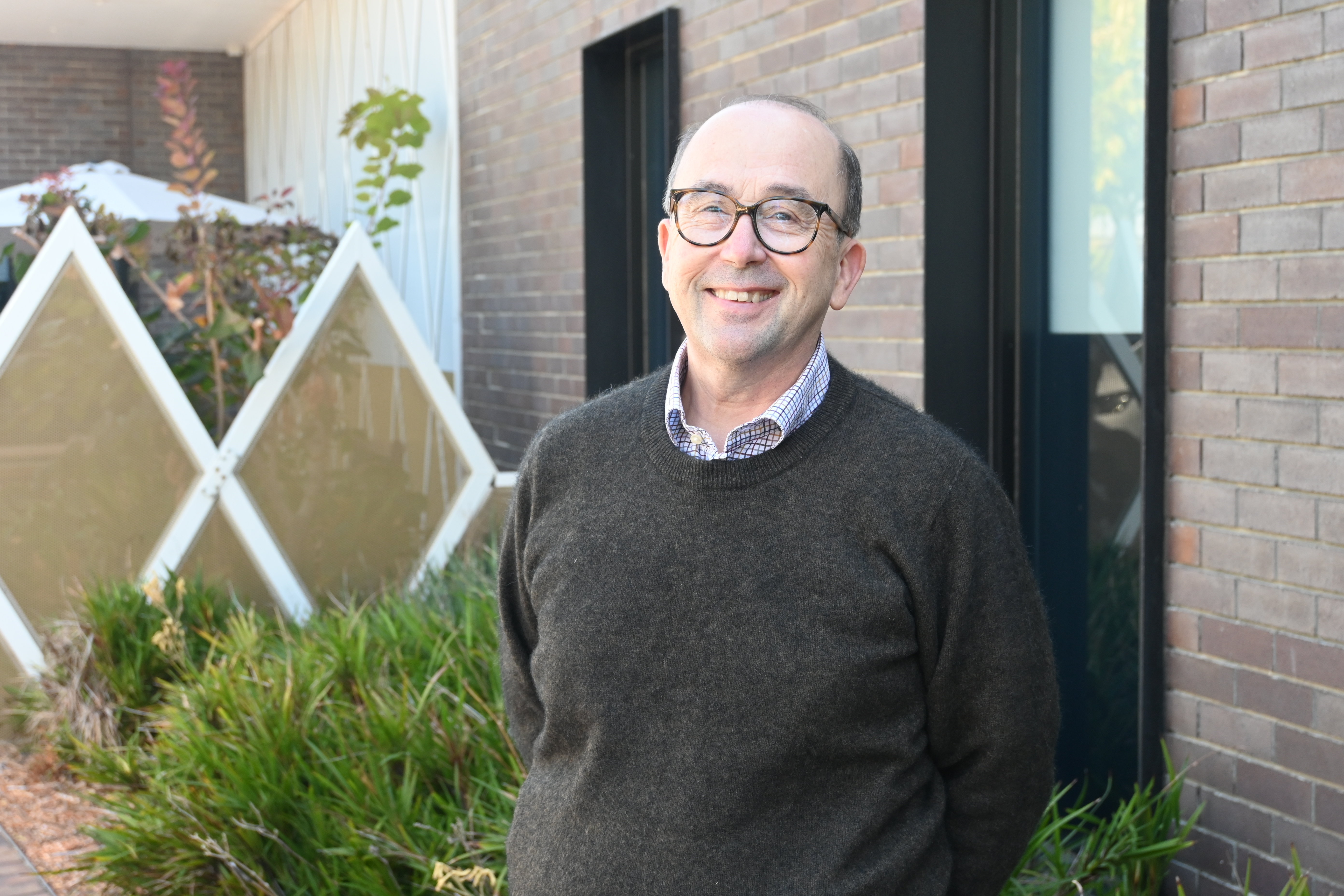
Prof Crawford is an expert in the palliative care field and is also the 2025 Australian of the Year Award winner for Town of Walkerville.
At 5.30pm, on Thursday, 7 August 2025, Prof Crawford will be presenting a special information session on palliative care at this year’s Dying To Know event at the Walkerville Town Hall.
He has found over his career that people are often frightened about talking about the possibility of end of life, let alone facing the actual reality of it, however, he always finds that people end up wishing they had accessed the offered services sooner.
He hopes to provide further clarity on the importance of palliative care and how it can improve people’s lives when they need it most.
Prof Crawford was always drawn to supporting vulnerable people, so he naturally became a leading physician in palliative care in Australia – including across a number of leadership roles for palliative care related services.
He said his role as a palliative care physician has provided him with an interesting lens on death and dying, but has also been a great privilege during his 28-year career.
“Patients never cease to amaze me with the different ways in which they face whatever adversity is happening to them,” explains Prof Crawford. “There are some people who have said to me that, while I've watched their body fade away, that they say this has been the best year of their lives.”
At the Dying To Know event, Prof Crawford will be discussing:
- how you may benefit from palliative care;
- barriers people may face accessing palliative care;
- services and supports that are available;
- what does palliative care look like;
- legislation around palliative care;
- and so much more.
There will also be a question time for people to ask any queries they may have about palliative care. Prof Crawford has certainly heard them all and he never shies away from an awkward conversation.
“People are still frightened [of palliative care], even clinicians and some doctors are a bit also, you know, ‘they're not ready for you yet’, where in fact, they should be meeting us early and then we can help them set the direction for answering some of those questions that patients have that they don't know how to answer,” explains Prof Crawford.
He also hopes to dispel myths that commonly appear around death and dying, including morphine ending your life quicker – actually, good pain relief helps people live longer – or palliative care is only for your dying days – it definitely isn’t.
Prof Crawford says palliative care is such a crucial service, and it’s important that people with chronic illness or terminal illness prepare for and understand how this service will benefit and impact their lives.
“I think part of palliative care is helping people to take control of what feels like an uncontrollable situation and to achieve what is considered important for them,” said Prof Crawford.
Click here if you want to attend the Dying to Know Day talk.